


Groundwater Services/Source Water Services
Mission Statement:
Our mission is to assist water systems and communities in identifying potential threats to their drinking and recreational waters and establishing effective protection measures. We aim to safeguard and efficiently utilize source waters while planning for future needs.
Mission Statement:
Our mission is to assist water systems and communities in identifying potential threats to their drinking and recreational waters and establishing effective protection measures. We aim to safeguard and efficiently utilize source waters while planning for future needs.
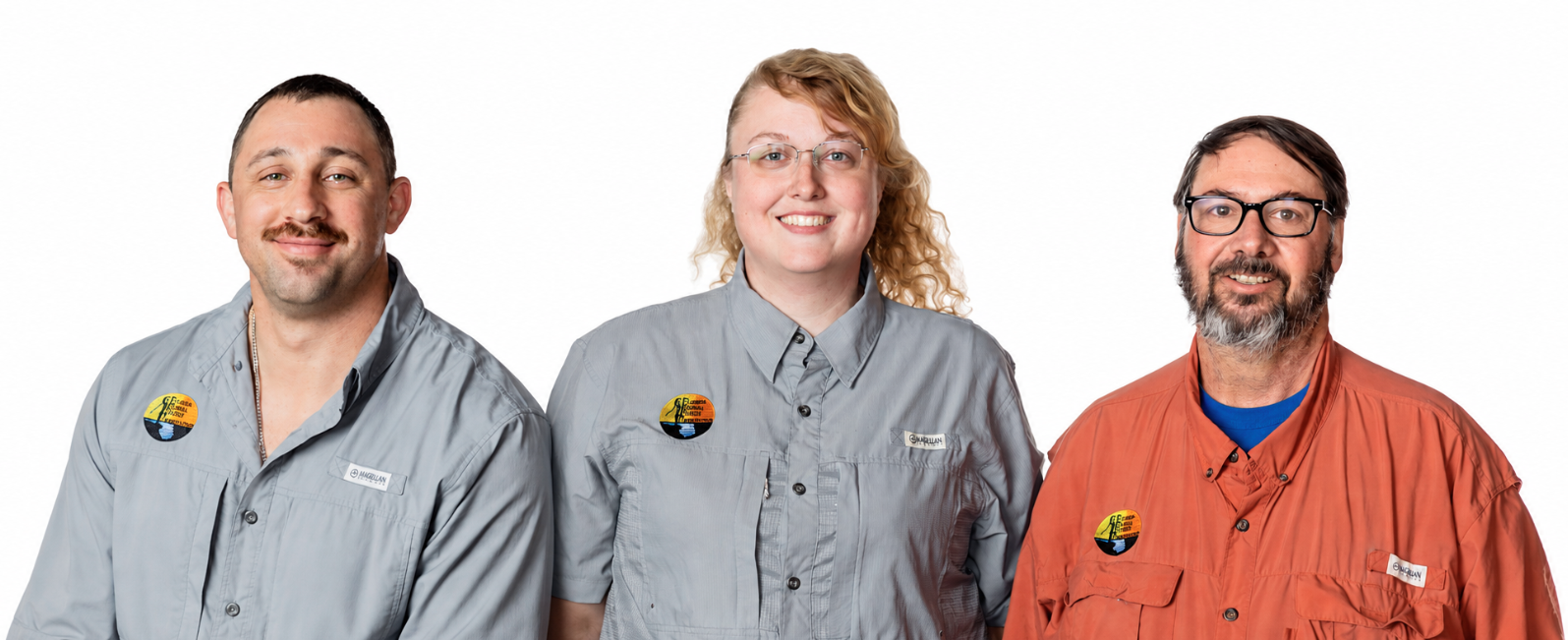 FRWA Source Water/Groundwater Team: Matt Bouchard (State Source Water Technician), KC Bell (USDA Source Water Specialist, Supervisor), and John Radtke (State Groundwater Technician).
How Protected Is Your System's Water Supply?
What Is Source Water?
Source water is the untreated water from lakes, groundwater aquifers, springs, rivers, and streams that supply private wells and public drinking water systems. Approximately 90% of Florida's drinking water comes from these diverse sources.
What Is Source Water Protection and Why Is It Necessary?
No matter the size of your community, public water treatment systems rely on the surrounding sources for clean, safe drinking water. Millions of Floridians depend on these sources to live, work, and enjoy recreational activities throughout the state. Unfortunately, these vital resources face constant threats from potential contaminants. It is our responsibility to protect them and prevent contamination before it occurs.
Dangers to source water include hazardous waste tanks, petroleum storage, pesticides, stormwater runoff, landfills, and other chemicals.
The 1996 amendments to the Safe Drinking Water Act required each state to develop a Source Water Assessment Program (SWAP). In Florida, the Department of Environmental Protection (FDEP) conducts assessments for every public drinking water system. The Florida Rural Water Association (FRWA) partners with communities and utilities to develop customized Source Water Protection Plans. FRWA accomplishes this through dedicated programs, funded at the federal and state levels, to help ensure the long-term purity of public water supplies for future generations.
What Is the Difference Between SWAP and the Wellhead Protection Program?
The Source Water Assessment Program (SWAP) and the Wellhead Protection Program (WHP) are both national initiatives designed to safeguard the nation’s drinking water supplies. They share the same ultimate goal but use different approaches and scopes.
Historically, both programs originated from amendments to the Safe Drinking Water Act. The Wellhead Protection Program began with the 1986 amendments and focused exclusively on groundwater wells. By 1996, Congress recognized that the program was underperforming due to limited funding. The 1996 amendments expanded protection efforts to include surface water sources, such as watersheds, and broader delineation areas.
- SWAP assesses a wider range of sources (groundwater and surface water), often involving multiple water authorities and community stakeholders working together toward common protection goals.
- Wellhead Protection Plans focus strictly on the area around groundwater wells (the delineation of the recharge zone), though they may address multiple wells owned by the same water authority.
What Steps Are Needed to Protect My Water?
For each public water system, Source Water Protection involves two main phases: Assessment and Protection.
Assessment
FRWA maps and delineates the area around your community's drinking water sources (wells or intakes). Using public data, GPS, and other tools, FRWA identifies facilities and activities in the area that could potentially release contaminants. A susceptibility analysis then evaluates the likelihood of contamination based on multiple factors.
Protection
This phase involves voluntary activities by the public water supplier, community partners, and others to safeguard the delineated area. Your system may work with residents, businesses, and local groups to:
- Involve consumers in protection efforts
- Ensure all public drinking water resources remain safe
Voluntary plans outline practical measures to prevent pollution, such as:
- Distributing protection information to the public
- Advising businesses on secure storage of hazardous substances
- Educating the community about source water benefits
- Forming steering committees to evaluate plans and adopt best management practices
FRWA's Source Water and Groundwater Protection Specialists
Initially, FRWA's Source Water Protection Specialists organized a steering committee. This committee consists of representatives from the local public water system, community organizations, non-governmental agencies, local government, and other interested parties within the delineated protection area.
These representatives are kept informed about protection efforts and consulted to identify preventive measures. They help determine which strategies or information participants are willing and able to implement voluntarily.